This has saved me from many painful days.
In essence, you are stretching out your back and hips during your sleep. It is described in the book I recommend "8 steps to a pain-free back" if you want more detail.
You lay down on your back with a pillow under your knees. Then you use your elbows on the bed and drag your body towards the pillow, without actually moving your body. You should feel a stretch, like traction.
Then as you continue to "drag" slowly lay down, vertebrae by vertebrae, until your whole back is on the bed, and you remain in a stretched position.
I also pull on the the back of my head, slowly placing my head on the pillow while pulling towards the wall behind. Once my head is on the pillow, I feel a nice stretch throughout my neck.
The first couple of weeks I did this, I noted that I felt "vulnerable". I don't know how else to describe it. Perhaps on the verge of a muscle spasm.
This is likely a sign that I did to much to soon. So try not to do that. Work up to it slowly, and I assure you - that this will provide you with tremendous relief - as long as you do it nightly.
Wednesday, March 18, 2009


Sunday, January 11, 2009
For quick relief
When I have some serious tension in my lower back and hips - there is one simple thing that I do, which provides some major relief... and all you need is floor space, a pillow and a chair.
I sit with my bum as close to the chair as possible, facing the chair. Then I lie down and put my calves on the seat of the chair. I like it if the chair is just slightly too high. That way the weight of my body provides a minor stretch to my hips, which ultimately leads to relaxation in my back. The pillow is for my my head... without your head will be in an unnatural position.
This position, relieves all pressure and strain on the lower back, giving it a minor vacation.
The length of time I lay here can be anywhere from 5 - 20 min. I listen to a webinar, or read a book or chat on the phone. So instead of laying down on a flat surface to rest my back, I just find some carpet, pull up a chair, and put my legs on it.
I highly recommend this to anyone that is over the age of 30... because lets face it... we all have lower back pain at some point in time.
I just showed this position to my partner - and he was amazed at the relief.
I sit with my bum as close to the chair as possible, facing the chair. Then I lie down and put my calves on the seat of the chair. I like it if the chair is just slightly too high. That way the weight of my body provides a minor stretch to my hips, which ultimately leads to relaxation in my back. The pillow is for my my head... without your head will be in an unnatural position.
This position, relieves all pressure and strain on the lower back, giving it a minor vacation.
The length of time I lay here can be anywhere from 5 - 20 min. I listen to a webinar, or read a book or chat on the phone. So instead of laying down on a flat surface to rest my back, I just find some carpet, pull up a chair, and put my legs on it.
I highly recommend this to anyone that is over the age of 30... because lets face it... we all have lower back pain at some point in time.
I just showed this position to my partner - and he was amazed at the relief.
Friday, January 9, 2009
Back pain and yoga
When my back pain began, I had to give up yoga. I could not do the sun salutations, and I COULD NOT do upward dog. Wow.
I think this was due to inflammation in the area, muscle tension and angry nerves. In fact it took a number of years until I could do any yoga at all. Years of physiotherapy... and lots and lots of money spent on this physiotherapy.
However, now when I find I have muscle tension, back pain and particularily nerve pain - yoga is my treatment.
So once you get your back pain under control - which to me means no more muscle spasms, and you are able to move around (the pain may be there, but be more manageable) - you can start to do yoga.
I find yoga finds things in your body, that would likely pop up as issues in the future. It releases so many things. And for me, my never pain disappears. This is magical to me.
If you are able to bend over while hinging at your hips, and arch your back slightly - I think you are ready for yoga. And I whole heartedly recommend it. However, listen to your body. Yoga, puts you in sometimes uncomfortable positions... these should in no way be painful. Know the difference.
I think this was due to inflammation in the area, muscle tension and angry nerves. In fact it took a number of years until I could do any yoga at all. Years of physiotherapy... and lots and lots of money spent on this physiotherapy.
However, now when I find I have muscle tension, back pain and particularily nerve pain - yoga is my treatment.
So once you get your back pain under control - which to me means no more muscle spasms, and you are able to move around (the pain may be there, but be more manageable) - you can start to do yoga.
I find yoga finds things in your body, that would likely pop up as issues in the future. It releases so many things. And for me, my never pain disappears. This is magical to me.
If you are able to bend over while hinging at your hips, and arch your back slightly - I think you are ready for yoga. And I whole heartedly recommend it. However, listen to your body. Yoga, puts you in sometimes uncomfortable positions... these should in no way be painful. Know the difference.
Thursday, January 8, 2009
Working out with nerve pain
I am going to begin a workout, and I have a little bit of nerve pain - so I thought it was appropriate for me to write on the subject.
For me, nerve pain really brings me down, and I don't really want to do much of anything. However, if any of you do get in this state... something that I have found which provides relief is to lay on the floor, with your calves resting on a chair. Sort of the idea where your legs are hoisted up by pillows, but more pronounced. I don't know why - but this seems to relax things throughout my back and hips, and the nerve pain lessens.
Back to working out. Funny enough, the less I work out, the more nerve pain I have. But when I have nerve pain I don't want to work out! So it is a huge mind over matter thing for me - just like working out when you don't want to... but a little more extreme.
And all of the specialists I have talked to prescribe some form of movement to alleviate nerve pain. So although the pain makes you not want to move at all - don't do that! I find biking really helps, so does swimming... walking only helps me when I glide walk (as discussed in previous posts).
And recall, my nerve pain is slight scatica and mostly femoral nerve pain.
Hope that helps!
For me, nerve pain really brings me down, and I don't really want to do much of anything. However, if any of you do get in this state... something that I have found which provides relief is to lay on the floor, with your calves resting on a chair. Sort of the idea where your legs are hoisted up by pillows, but more pronounced. I don't know why - but this seems to relax things throughout my back and hips, and the nerve pain lessens.
Back to working out. Funny enough, the less I work out, the more nerve pain I have. But when I have nerve pain I don't want to work out! So it is a huge mind over matter thing for me - just like working out when you don't want to... but a little more extreme.
And all of the specialists I have talked to prescribe some form of movement to alleviate nerve pain. So although the pain makes you not want to move at all - don't do that! I find biking really helps, so does swimming... walking only helps me when I glide walk (as discussed in previous posts).
And recall, my nerve pain is slight scatica and mostly femoral nerve pain.
Hope that helps!
Tuesday, January 6, 2009
Whatever works for you
Back pain comes in all different forms… this blog is here to tell you what has and hasn’t worked for me. However, those things may not work for you. I do try to focus on things that would be of benefit to everyone. However, if you have bulging disks, doing posture changes and using posture pump – isn’t for you.
One thing I am certain – if you are dealing with chronic pain, there likely isn’t a silver bullet… if there is – please tell me! Chronic pain is something that has to be worked on everyday, in a preventative manner. Such as having good posture, stretching and staying active.
First things first… is get a proper diagnosis… then you can figure out what treatments will likely work for you by doing a little research.
If you have sciatica, you can do sciatica specific exercises. For me, I have disk degeneration, so I work on spinal mobility, traction and posture. If you have a different diagnosis, then it is likely that some of the things that work for me, may work for you… but there are likely other things that you will have to do, in order to see improvement.
One thing I am certain – if you are dealing with chronic pain, there likely isn’t a silver bullet… if there is – please tell me! Chronic pain is something that has to be worked on everyday, in a preventative manner. Such as having good posture, stretching and staying active.
First things first… is get a proper diagnosis… then you can figure out what treatments will likely work for you by doing a little research.
If you have sciatica, you can do sciatica specific exercises. For me, I have disk degeneration, so I work on spinal mobility, traction and posture. If you have a different diagnosis, then it is likely that some of the things that work for me, may work for you… but there are likely other things that you will have to do, in order to see improvement.
Monday, January 5, 2009
Posture Pump
I was introduced to posture pump by my physiotherapist.
I have added the link to it - as it is difficult to find... and this is an EXCELLENT price! I paid more than double... but it was more than worth it.
My physiotherapist insisted that I needed something to work on my posture, and increase flexibility in my spine.
I was vigilant in using posture pump... every night, for the recommended 5 minutes of warm-up and 10-15min stretch.
I trusted my physiotherapist - otherwise, I may not have stuck with it. Every night for the first month of use, was excruciatingly painful. I could barely move for about 1 hour after-wards. However, I think I over did it... I didn't need to pump the posture pump to it's maximum. In this case... less is more.
It only took about 1 week for things to improve. It was still painful after-wards, however, the days that followed were much better. I Also noted, that if I didn't use it for a couple of days, things would get worse... which is where the book "8 steps to a painfree back" came in... this book took me to the next level.
What to expect with the posture pump.
The posture pump consists of two tubes which sit perpendicular to your spine. You lay over top of the posture pump with it near your hips and with it deflated. Then you inflate each tube, with one of the two pumps. You do this interchangeably - giving your spine a massage.
Then, once your back is warmed up, you lay over top the posture pump with both tubs inflated, which gives your back a stretch, and also stretches ligaments within hips.
The pain isn't during the use of posture pump, but after-wards. Therefore, I would do posture pump right before bed... then I would fall asleep very still - so I wouldn't get a jolt of pain... then I would wake up stretched, pain-free and refreshed.
I felt the pain prior to bed was worth an entire day pain-free.
I have added the link to it - as it is difficult to find... and this is an EXCELLENT price! I paid more than double... but it was more than worth it.
My physiotherapist insisted that I needed something to work on my posture, and increase flexibility in my spine.
I was vigilant in using posture pump... every night, for the recommended 5 minutes of warm-up and 10-15min stretch.
I trusted my physiotherapist - otherwise, I may not have stuck with it. Every night for the first month of use, was excruciatingly painful. I could barely move for about 1 hour after-wards. However, I think I over did it... I didn't need to pump the posture pump to it's maximum. In this case... less is more.
It only took about 1 week for things to improve. It was still painful after-wards, however, the days that followed were much better. I Also noted, that if I didn't use it for a couple of days, things would get worse... which is where the book "8 steps to a painfree back" came in... this book took me to the next level.
What to expect with the posture pump.
The posture pump consists of two tubes which sit perpendicular to your spine. You lay over top of the posture pump with it near your hips and with it deflated. Then you inflate each tube, with one of the two pumps. You do this interchangeably - giving your spine a massage.
Then, once your back is warmed up, you lay over top the posture pump with both tubs inflated, which gives your back a stretch, and also stretches ligaments within hips.
The pain isn't during the use of posture pump, but after-wards. Therefore, I would do posture pump right before bed... then I would fall asleep very still - so I wouldn't get a jolt of pain... then I would wake up stretched, pain-free and refreshed.
I felt the pain prior to bed was worth an entire day pain-free.
Sunday, January 4, 2009
What has worked for me
There are several things that have worked for me, and several things that haven’t.
The number one thing that worked for me was getting a proper diagnosis. This of course seems obvious, but I think that many people go around saying that have low back pain, or sciatica – but they don’t know why.
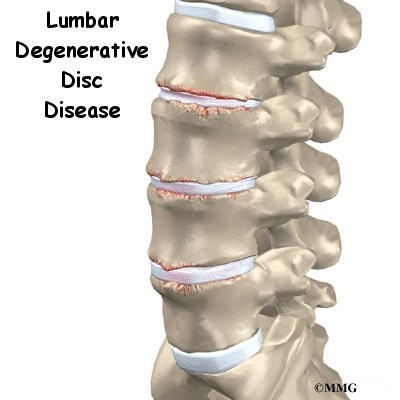
My issue is that I have disk degeneration in the L4-L5 region (the second most common area for disk degeneration, the first being L5-S1), and poor posture which misaligns my hips, which then pinches my nerves.
Again, when I refer to my poor posture, this is specifically my pelvic tilt (or lack of it), not what is typically seen as poor posture, slouching.
After receiving a proper diagnosis, I could receive treatment specific to my ailment.
Again, it was my General Practitioner doctor who initiated me receiving a proper diagnosis. I recommend seeing your doctor first… they can direct you to others that can help you. And it was osteopath’s, chiropractors, massage therapists, etc., who gave me the wrong diagnosis… or did not diagnosis me at all… they were just treating the pain, not the cause of the pain.
Once you receive a proper diagnosis, not all treatments are created equal.
I highly suggest going to someone recommended to treat your specific cause of pain. Someone who has been successful with others in the past – and is proven. Don’t waste your time and money with those who don’t have a history of success… they are often too young, or just not good at what they do, to reduce your pain.
Other things that helped me:
• Traction – creating space between your spine vertebrae (I will explain how to do this in more detail in other entries)
• Posture pump – a device which stretches your back, and increases mobility within your back
• Knowing what my triggers are – for me, chronic movements that involve slight twisting, such as vacuuming
• Having a very experienced, knowledgeable physiotherapist
• Reading the book “8 steps to a pain free back” – which caused me to focus on my posture, changing the way I sleep, walk, sit, stand, move, etc.
The number one thing that worked for me was getting a proper diagnosis. This of course seems obvious, but I think that many people go around saying that have low back pain, or sciatica – but they don’t know why.
My issue is that I have disk degeneration in the L4-L5 region (the second most common area for disk degeneration, the first being L5-S1), and poor posture which misaligns my hips, which then pinches my nerves.
Again, when I refer to my poor posture, this is specifically my pelvic tilt (or lack of it), not what is typically seen as poor posture, slouching.
After receiving a proper diagnosis, I could receive treatment specific to my ailment.
Again, it was my General Practitioner doctor who initiated me receiving a proper diagnosis. I recommend seeing your doctor first… they can direct you to others that can help you. And it was osteopath’s, chiropractors, massage therapists, etc., who gave me the wrong diagnosis… or did not diagnosis me at all… they were just treating the pain, not the cause of the pain.
Once you receive a proper diagnosis, not all treatments are created equal.
I highly suggest going to someone recommended to treat your specific cause of pain. Someone who has been successful with others in the past – and is proven. Don’t waste your time and money with those who don’t have a history of success… they are often too young, or just not good at what they do, to reduce your pain.
Other things that helped me:
• Traction – creating space between your spine vertebrae (I will explain how to do this in more detail in other entries)
• Posture pump – a device which stretches your back, and increases mobility within your back
• Knowing what my triggers are – for me, chronic movements that involve slight twisting, such as vacuuming
• Having a very experienced, knowledgeable physiotherapist
• Reading the book “8 steps to a pain free back” – which caused me to focus on my posture, changing the way I sleep, walk, sit, stand, move, etc.
Friday, January 2, 2009
Finding a good physiotherapist
When I talk about physiotherapists in this section, I am referring to chiropractors, osteopath’s, massage therapists and physiotherapists’.
It took me a couple of years to find a good physiotherapist. With every physiotherapist I saw, I did see a bit of improvement; however, sometimes it wasn’t worth it.
When I became very proactive in my healing, I finally found a good physiotherapist. I asked a lot of questions, if I didn’t understand what they were saying, I would ask them to write it down – then I would look it up that evening.
I talked about my pain with my colleagues and friends, who would then provide me with the names and numbers of physiotherapists’ that have helped them, or others they knew.
I looked for physiotherapists' who were hopeful, but also realistic. To many times I would see professionals who felt that I should learn to live with the pain indefinitely. This is true to some degree, but there is always room for improvement.
Also, if a physiotherapists said “oh I can fix you”, this raised red flags for me - particularly, as they would say this without seeing any of my x-rays, or previous history.
I looked for physiotherapists who had experience dealing with back and nerve pain, and were comfortable with themselves to ask others for advice - when they didn't have all the answers.
I saw one osteopath in particular, who said, “we’ll have 3 appointments together, and if we don’t see any improvement in that time, then I will refer you to someone else”.
I like this – provided some sort of guarantee. I also liked when a physiotherapist took me as far as they could, and then admitted it! I find too many physiotherapists won’t admit that they aren’t helping you anymore. This is extremely unprofessional… I often see this with chiropractors.
I have had some bad experiences with chiropractors… I would not recommend a chiropractor for disk degeneration, and the resulting nerve pain. I feel their solutions are not long term, but quick fixes... fixes that make you have to return again and again.
I would however, recommend a good physiotherapist, whose techniques incorporate osteopathy. Also a good osteopath is fantastic – however, they are more pricey than physiotherapists.
Subscribe to:
Comments (Atom)